Remembering the Pentax K-1

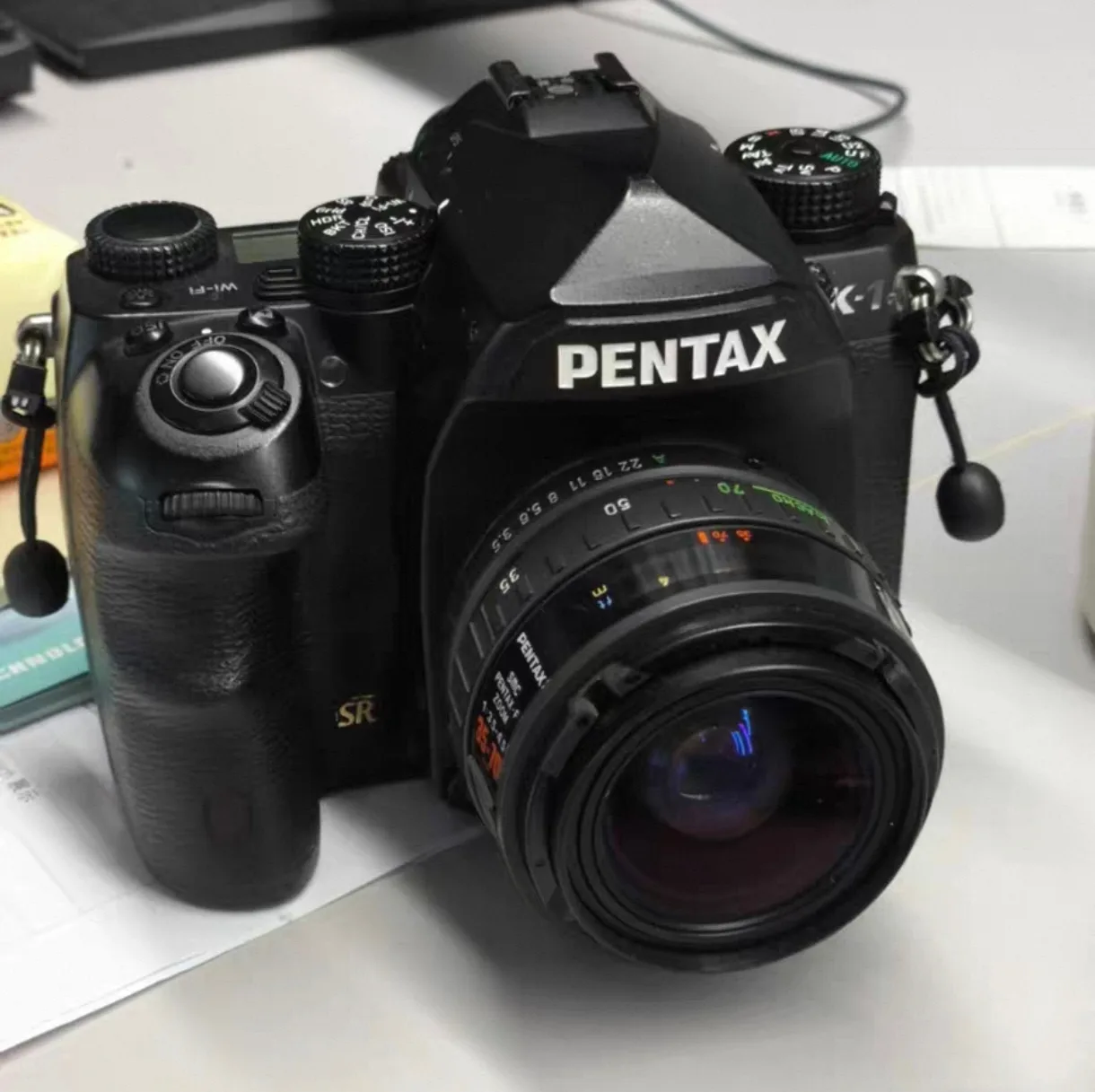
I once owned a Pentax K-1.

Back then my pockets were emptier than my face — rent, food, the commute, each one reminding you that some things cannot be kept. When I sold it I did not dare look at it for long, like sending away a horse I could no longer afford to feed.

What I have now is a Nikon Z fc: light, quick, easy to carry on a strap all day. It is a competent tool and a reliable companion. But a Pentax wants to be handled. It is heavy enough that every shutter press feels like a decision, the body thick and solid, and even when you are not shooting you cannot help taking it out to wipe it down and turn the aperture ring.

What I miss most is the colour. Pentax colour has a temper: warm, thick, like dusk steeped in amber.

That green looks like steam rising off a mountain after rain. Straight-out-of-camera files carry the body heat of the film era; they need no editing, and editing them feels like an intrusion.

The Z fc gives freedom; the K-1 gave ceremony. One takes you further, the other slows you down.

Some cameras are enough simply to have owned. It goes on living in your stubbornness about light and colour: the body is gone, the way of seeing remains.
2026 07 10 21 15 42 971

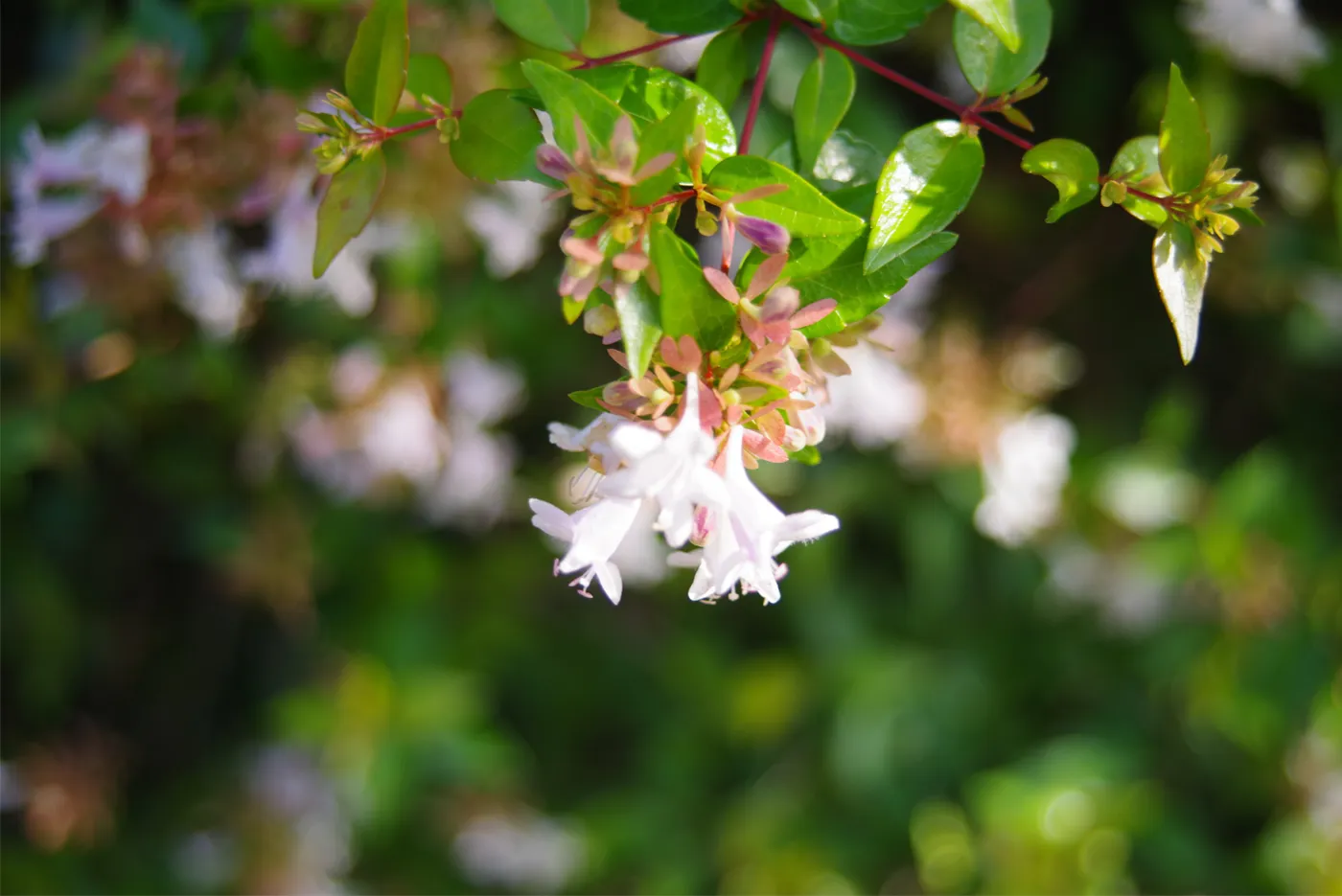
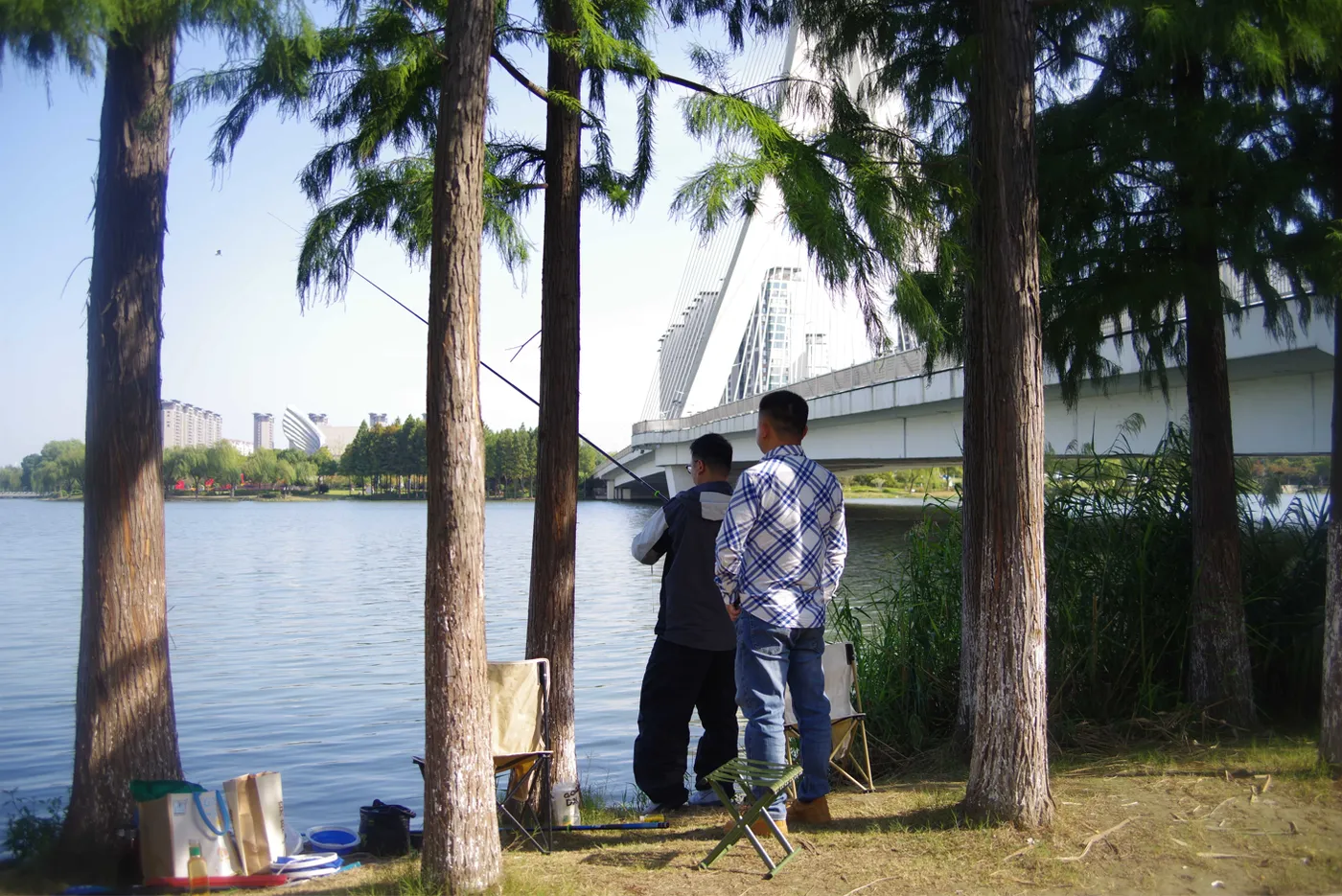
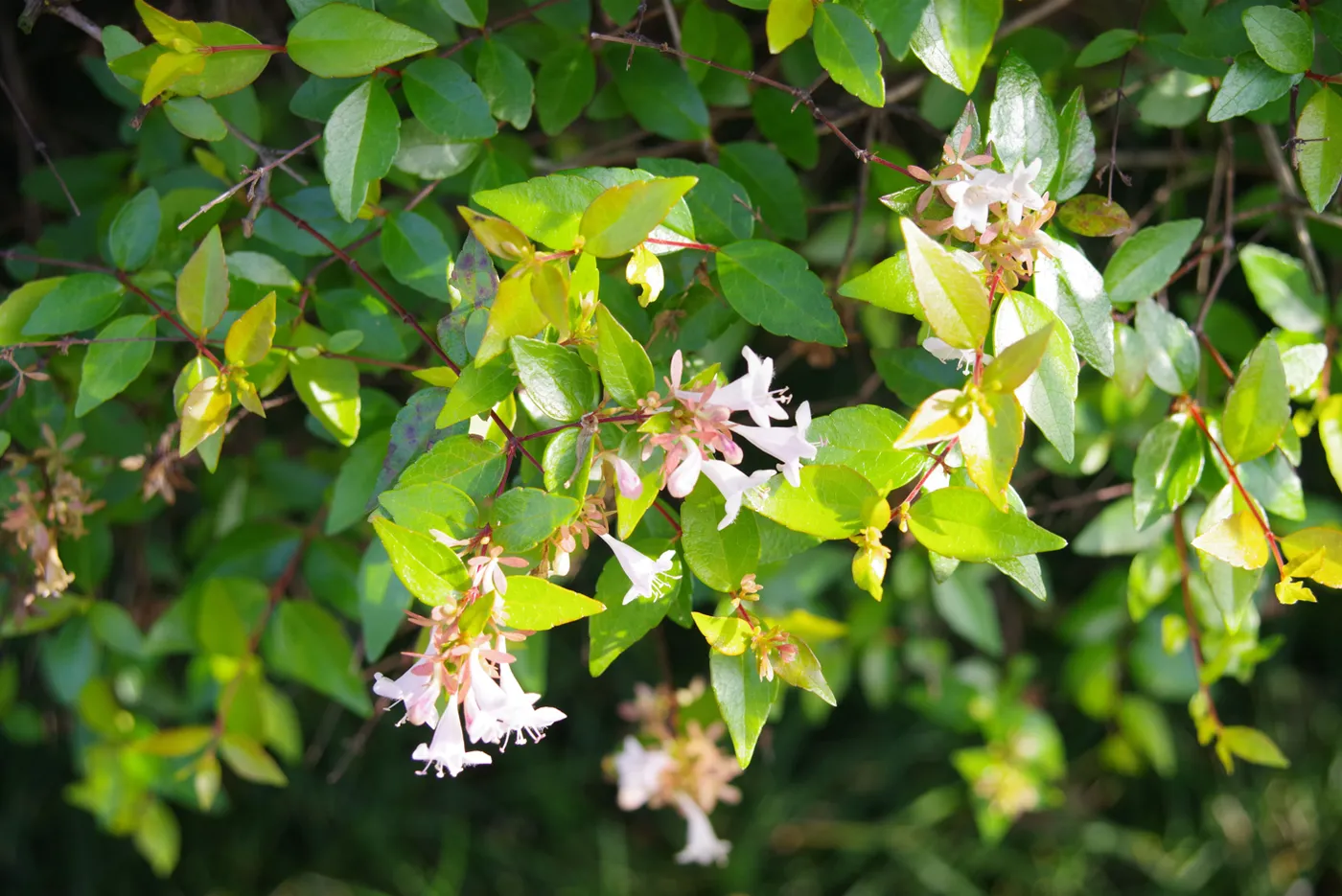
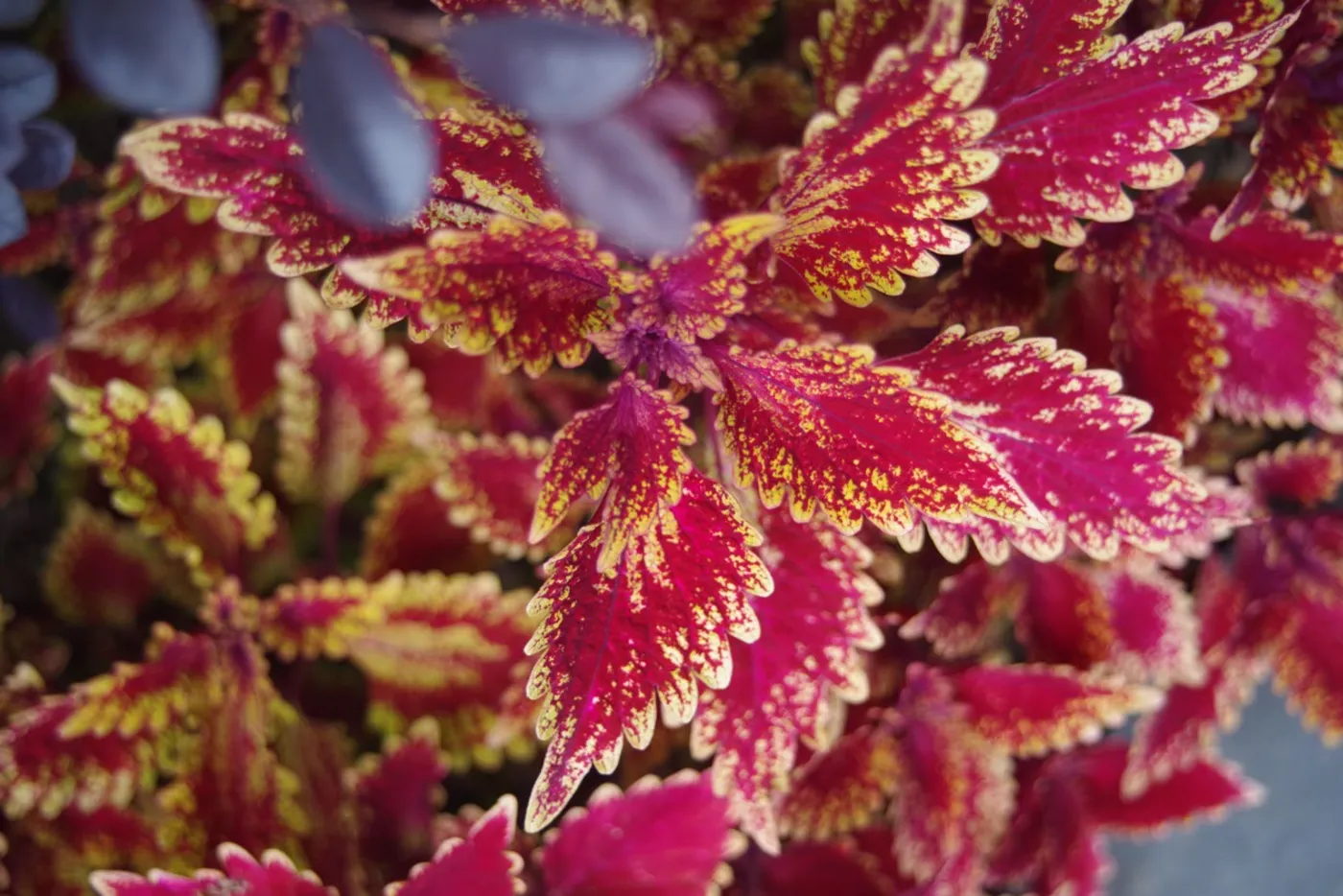
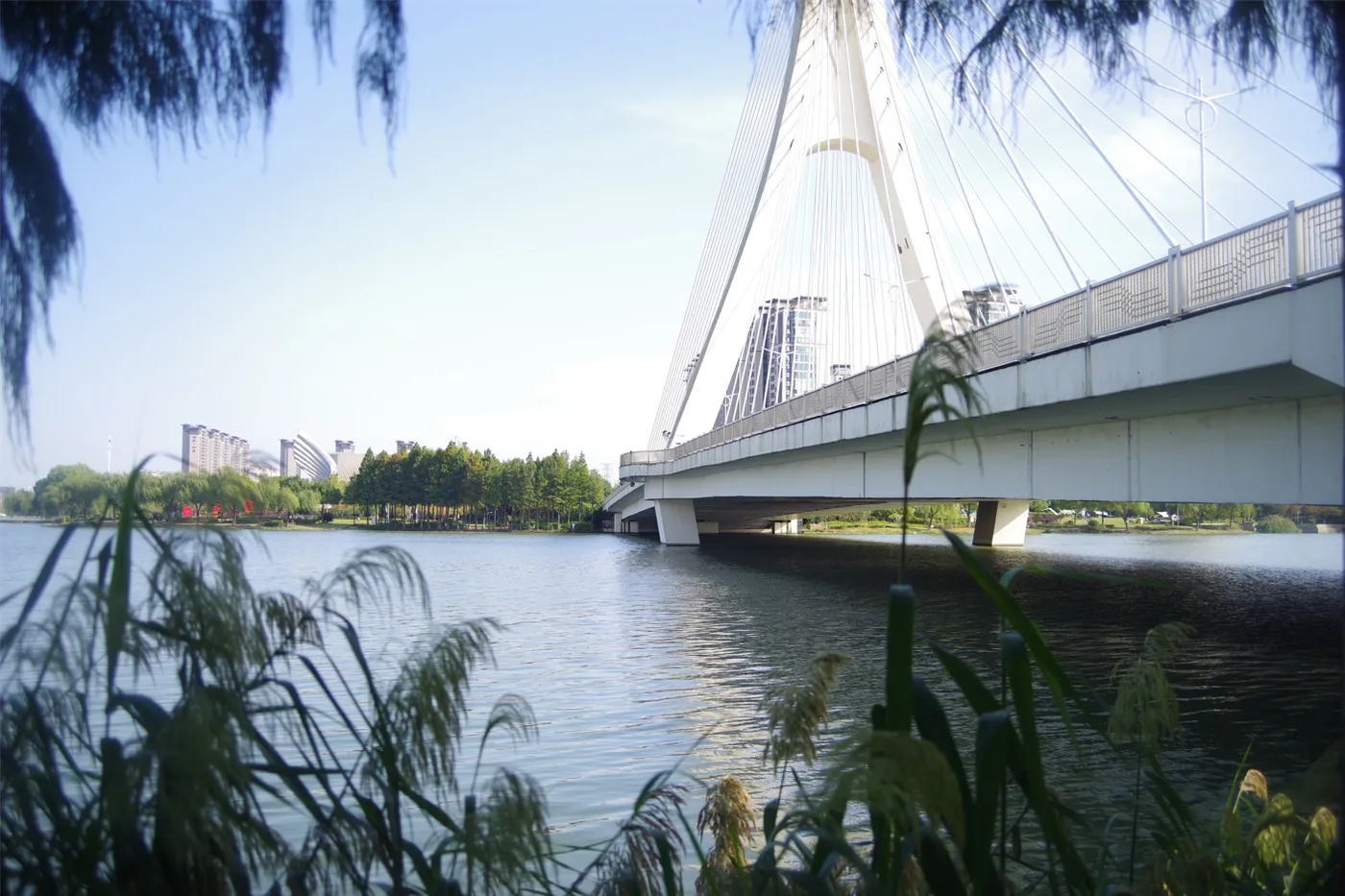
A white cable-stayed bridge over the riverA cluster of pale pink weigela flowersTwo people fishing beneath the bridgeWhite blossoms among green leavesCrimson and gold coleus leaves

Related posts

The Island on Bird Street

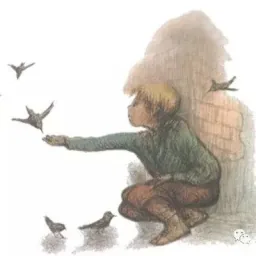
That afternoon, for no reason I could name, I suddenly remembered a novel I read as a child: The Island on Bird Street. When I read that book I was not reading someone else's story. I climbed the rope ladder into that ruin and hid in the cupboard on the third floor; I went down the secret passage, back and forth between the Jewish quarter and the Polish one; I held my breath to avoid German soldiers and searched empty rooms for food. The whole adventure was mine, from beginning to end. All these years later I can still remember that heartbeat — frightened, excited, and certain I could do anything. Everything a child could want from an adventure, that book gave me. And what I miss more than the adventure is the way love and friendship were written in it. Almost nothing happened in that love story, and precisely because nothing happened, everything was settled. It made me decide, very young, that real feeling is clean and restrained and unchanged even in a broken world; that it is sharing a piece of bread in the ruins, that it is thinking of someone else while your own life hangs by a thread. Friendship was defined just as clearly — a guinea pig named Snow, a few people you can count on. My whole standard for love and friendship was probably set back then, from that book's mould, and I have never replaced it. Later I grew up. I read a lot of news and a lot of history, and gradually formed some rather unflattering views about the Jewish people. It is not a pleasant thing to say, but I have to be honest. At a certain age the heart ends up holding many things that contradict each other. The strange part is that it never made me dislike the book. The adventure, the love, the friendship — they are still there in my memory, still bright. The truth and goodness in those pages, courage and kindness and love and hope, are still the foundation at the very bottom of how I see things. I even think sometimes: the person who wrote it was herself a Jewish survivor; the people I met in those pages were Jewish children too. That makes me a little uncomfortable, but a fact is a fact. Perhaps a person's heart is meant to hold that discomfort. Sometimes I think the books we read in childhood are seeds. What grows out of them is not governed by the messy feelings that come later. Number 78 Bird Street, that ruin, still stands somewhere in my inner world, and the wind cannot knock it down.

Aug 20, 2026·Everyday musings
The Island on Bird Street

The Deer's Dream

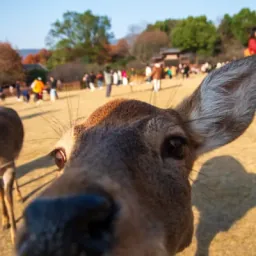
She pushed her glasses up the bridge of her nose and looked up at me. That was the year Nanjing first turned cold. Not the cold of deep winter — the kind that slips a little chill into the autumn wind. The stone-elephant road at Ming Xiaoling is at its best around then. The maples on either side seemed to be finishing everything before the first frost: one tree holding layer upon layer of colour, and with the sun coming through it, the whole road was warm. She walked ahead of me, stepping through fallen leaves. The deer park was small; at the gate each visitor was handed a little bundle of hay. The deer are used to people. They came over without hurry, nose first, damp and cool; she pulled her hand back by instinct, then slowly reached out again. In the end she simply crouched down and a deer stood right in front of her, quietly eating from her palm. She freed her other hand and stroked its forehead. The deer did not move. Its eyelids sank slowly, as if it had fallen asleep. The deer was calm and understood nothing. Nothing about seasons, nothing about partings — it only knew that a palm was warm and the hay was sweet. Neither did she, really. And not only about the deer; there was a great deal she did not understand. She did not know I was about to graduate, did not know that some things come with a deadline, did not know that no autumn lasts longer than a frost. She knew very little. The deer was lovely. And Nanjing's autumn is too short. That day she crouched on the grass feeding the deer in small pieces, and I stood one step away watching her back. She was so light — light as a leaf in autumn. I was afraid I wouldn't catch it, and afraid that if I did, the wind would carry it off. That year the maple leaves fell fast. Before anyone had looked their fill, the branches were bare. Later I lived through another autumn. The maples turned red just the same; people still queued for tickets at the deer park. I have never been back to Ming Xiaoling. The wind came in the end. I never did hold off that frost; I could only stand where I was and watch autumn come loose from the branches entirely. Perhaps some people are like seasons — meant to walk only one short stretch of the stone-elephant road beside you. When the wind carried the leaves away it took that early autumn with it, the one I never had time to button my coat against, and set it down quietly inside a deer's dream.

May 20, 2026·Everyday musings
The Deer's Dream

Balloon Flower

I had been helping a friend with their engagement dinner; by the time it broke up it was already night. I stood alone at the roadside waiting for a car. One happened to pass just then, and a band of moving light slid across its window, catching the reflection of something lit up behind me. I turned around. It was a flower shop, still open. Through the plate glass, among all that crowded colour, I saw the familiar outline at once. The assistant asked what I wanted. Balloon flowers, I said. She drew out a bunch of unopened buds, wrapped them in paper and handed them over. The stems were as smooth as ever. The first time I met balloon flowers was like this too. Back then someone pushed them into my hand: white buds, swollen like little purses stuffed with secrets. I held them awkwardly, and the water on the stems wet my fingers. It was the first bunch of flowers I had ever been given. That afternoon sunlight leaked through a gap in the curtains and fell on the buds, the petals shut tight, as if keeping a secret they refused to tell. Those flowers opened in the end. Every morning I woke and looked at them first. At their best the white was a clean, quiet white, like the faint ring of moonlight along the rim of a porcelain bowl. They bloomed their own way and disturbed no one. The day they wilted I put the dried petals into a small box. Back then I thought some things would be kept forever. But the days went by and I no longer know where that box ended up. Only the balloon flower stayed. Ever since, I glance at it whenever I pass a flower shop. Sometimes I buy a bunch, stand it in a glass bottle and watch it open slowly, and fade slowly. It is not habit, really. The flower has grown into my sense of taste. It is like living in one place long enough: your accent changes, your palate changes, even the way you look at people changes. That bunch of white balloon flowers was where the change began. They say the flower's meaning is “eternal love”. Flowers open and fade, people come and go. What on earth lasts forever? The year that bunch wilted, the edges of the petals curled first, the white yellowed and then turned a dead brown, and the lightest touch left crumbs on my fingers. But over time I noticed that some things do remain. Liking plainer flowers, for one. A closeness to white balloon flowers that is almost instinct. And how, whenever I see a fresh batch in a shop, I think of an afternoon when someone pushed a bunch into my hand, so naturally, as if that were simply how flowers were meant to be given. These small changes are like the flower's seeds: they fall into the soil of a life, take root, sprout, and become part of it. I put the new white balloon flowers into a glass bottle with water. The buds are still closed and there is no telling when they will open. But I know that they will. I still like white balloon flowers. It has nothing to do with flower meanings; it lives in my eyes and my fingers. They were handed to me one afternoon, and since then that faint, cool white has taken root and become a base colour of my life that can no longer be peeled away.

Dec 30, 2025·Everyday musings
Balloon Flower
Music